








In August 2025, the United States hit India with 50% tariffs, the steepest levied on any Asian economy as trade tensions with Washington boiled over.
Six months later, those duties have been slashed to 18%.
The stunning reversal followed months of stalled talks, rising geopolitical friction, and one explosive fault line: India’s Russian oil imports.
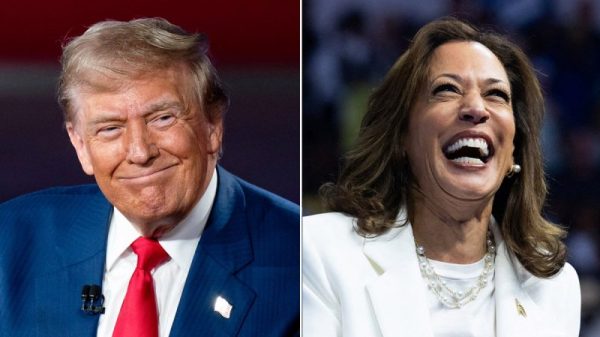
On February 2, 2026, the world’s two largest democracies unveiled a breakthrough trade pact, announced by Donald Trump on Truth Social and echoed by Narendra Modi on X.
India-US trade deal in visuals
The Russian oil trigger
The original trade standoff began in August 2025, when Donald Trump imposed a 25% penalty tariff specifically targeting India’s purchases of Russian crude, later stacked with reciprocal duties to reach 50%.
India had emerged as one of Russia’s largest oil buyers during the Ukraine war, capitalizing on deep discounts.
That dependence became the single biggest obstacle to any trade deal.
The breakthrough came when Modi agreed to halt Russian oil imports entirely.
Trump explicitly linked energy purchases to geopolitics, arguing that cutting oil revenues was essential to ending the Ukraine war.
Venezuela was cited as a US-approved alternative supplier.
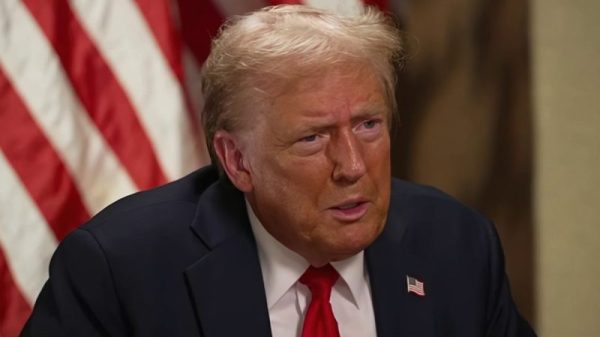
Trump said:
He agreed to stop buying Russian Oil, and to buy much more from the United States and, potentially, Venezuela.
The personal diplomacy factor
Beyond policy, the deal was driven by personal diplomacy.
Trump described Modi as “one of my greatest friends,” framing the agreement as proof that strong leaders can break deadlocks.
The two leaders reportedly spoke multiple times in December 2025 and again in early February, just days before the announcement.
The timing mattered. The US ambassador to India, Sergio Gor, had just taken office, calling the relationship’s potential “limitless.”
Meanwhile, India’s advancing trade pact with the EU, dubbed the “mother of all deals” added urgency in Washington.
Modi’s response praised Trump’s “leadership” in advancing global peace, reinforcing the image of two dealmakers who “get things done.”
Market impact and what’s next
India’s Nifty 50 opened 4.86% higher on February 3 following the announcement, and was trading at 2.74% up at the time of writing.
Analysts expected markets to open 3% higher, marking a 1,000-point rebound from Budget-day lows.
Stocks of Indian companies Infosys, ICICI Bank, and Wipro gained over 2% at the start of the trading session.
Currency pressure on the rupee eased, as trade uncertainty has driven capital outflows.
Rupee gained over 1% to trade at $90.25 at the time of writing.
Key export sectors to watch include IT services, pharma, chemicals, auto ancillaries, and engineering goods.
Still, officials caution that “technicalities remain to be worked out.”
The post India-US trade deal explained in visuals: how tariffs fell from 50% to 18% appeared first on Invezz